Our Blog

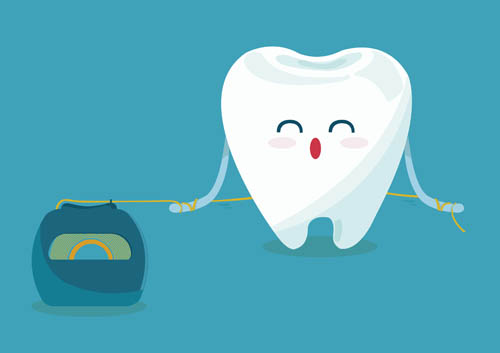
Does flossing hurt your gums?

August 30th, 2023

Ideally, it should never hurt when you floss your teeth. But if you haven’t flossed in a long while or don’t do it regularly, you may experience sore or bleeding gums. You should floss every day to avoid pain and maintain the best oral hygiene. In the meantime, there are a few things you can do to make flossing a little more pleasant.

Be Gentle

If your gums are sensitive, take your time and be gentle while flossing. Rough flossing can lead to more irritation and soreness. Also, daily flossing should help your gums become acclimated to the practice, and as a result, irritation should decrease over time.

Use an Alternative Method

If you still feel discomfort after being gentle, an alternative method of flossing may work better for you. A water floss machine or Waterpik can dislodge food particles and plaque without irritating your gums. Also, some brands of floss have a soft coating that make them less harsh and harmful to your gums.

Many people tend to forget or skip flossing, but it is one of the most important steps your dental hygiene routine and shouldn’t be neglected. If you are consistent about flossing, your gums should become used to it and won’t be so irritated in time.

For more flossing tips, schedule an appointment at our Issaquah office and ask Drs. Arti and Ashi or a member of our team!

Warning Signs of Impacted Wisdom Teeth

August 30th, 2023

You might suspect that your wisdom teeth are starting to emerge, but knowing the signs of impacted wisdom teeth can help you be more proactive about your dental care. Impacted wisdom teeth can be extremely painful and can make your life truly miserable until they are removed. Therefore, looking for the early warning signs listed below, and seeing Drs. Arti and Ashi if you experience them, can help you conquer the problem before it conquers you.

There are three primary signs of impacted wisdom teeth. While every person may not have all three of these signs, you can usually expect to experience at least one of these if your wisdom teeth are impacted.

Unusual Pain

If you are feeling a type of teeth pain you've never felt before, especially when it is focused in the back area of your jaw, this may be a sign that you have a tooth impaction. You may be fortunate enough to catch it early, before all of your wisdom teeth become impacted, if you see Drs. Arti and Ashi as soon as you feel the pain.

Swollen Jaw

If your jaw is suddenly swollen and the area feels tender to the touch, you have a high chance of having an impacted tooth. Since the wisdom teeth are set so far back in your jaw, the swelling tends to show itself low in the jaw, towards the ears, when they are impacted.

Bleeding Gums

If your gums are bleeding, something you may notice when you see a pink or red tinged toothbrush, you may be dealing with a wisdom tooth issue. When the wisdom teeth are impacted, they put a lot of pressure on your back teeth and gums, which often leads to bleeding.

Visit our Issaquah office as soon as possible if you have any of the above signs of impacted wisdom teeth. The sooner you get treatment, the sooner the pain will be behind you for good!

Double Duty

August 23rd, 2023

If you play a contact sport, you know about mouthguards. You know about the cushioning protection they provide for your teeth. And not just your teeth—mouthguards also help protect your lips, tongue, and jaw, helping you avoid or minimize many of the injuries caused by collisions.

But you don’t have to be part of the defensive line or face off on center ice to wear a mouthguard. It pays to be proactive with your oral health in any activity where impact is a possibility. Whether you play a team sport, practice gymnastics, ride a bike, ski, skateboard, or participate in other athletic pastimes, there’s almost always the risk of impact—with a ball, with the mat, with the sidewalk, with another person.

So, how do mouthguards protect your teeth and mouth? It’s a combination of materials and design. Mouthguards are made of a strong, cushioning material such as plastic or silicone, which helps absorb and distribute the force of impact, usually in the form of a horseshoe-shaped piece that fits over your upper teeth. The specific design can be tailored to the sport or activity you’ll be using it for.

And now that you’re wearing braces? Working toward an attractive, healthy smile doesn’t mean you can’t be active or find a mouthguard that will work for you. In fact, when you wear braces, mouthguards do double duty—they protect your mouth and teeth, and they protect your braces, too!

Even minor impacts can damage wires and brackets, and damaged braces means more time at the orthodontist and lost treatment time. More important, your guard not only helps protect your brackets and wires from impact injury, it protects your delicate mouth tissue from trauma caused by impact with your brackets and wires.

Because you probably have braces on both upper and lower teeth, the usual mouthguard design might not work for you. To make sure you’re completely protected, you may need a guard that covers both upper and lower arches.

There are over-the-counter mouth guards designed for braces, and even for covering both your upper and lower teeth. These might be one-size-fits-all or fit-it-yourself guards, or models which should be used only after a fitting at our Issaquah dental. While some of these guards are better than others, the best option for your teeth—and your braces—might be a custom mouthguard.

What are the benefits of a custom guard for orthodontic patients? They:

  • Provide a perfect fit around teeth and braces
  • Protect better because they fit better
  • Are designed for easy breathing and speaking
  • Are less bulky
  • Are more durable
  • Fit more comfortably
  • Can accommodate orthodontic adjustments
  • Can be tailored to your specific sport or activity.

Custom mouthguards are more expensive, because they are individually crafted for your teeth and braces, but in terms of effectiveness, they are the best guards out there—because they are individually crafted for your teeth and braces. If cost is an issue, Drs. Arti and Ashi can let you know whether an over-the-counter option might work for you.

An active life should mean proactive dental care. Wearing a mouthguard when you’re wearing braces protects both your body and your orthodontics. Whichever guard option you choose, it’s a good idea to check out the fit with Drs. Arti and Ashi to make sure you’re getting all the protection you need for both when your mouthguard is doing double duty.

Oral-Systemic Health

August 23rd, 2023

Oral-systemic health is the idea that oral health is a critical and interconnected component to a patient’s overall health and well-being. Studies show that people who have poor oral health are more likely to have other health conditions such as heart disease, diabetes, or a high likelihood of stroke.

Some of the data suggests that oral pathogens may trigger up to 50% of heart attacks, and that the oral bacteria P. gingivalis may cause a 13.6-fold increase in patients’ risk of a heart attack.

Still, the exact relationship between oral and overall health isn't fully known — whether one causes the other or how treating one might affect the other. But it should serve as a warning call to anyone suffering with poor oral health, especially periodontal disease.

More studies need to be conducted to establish the precise link between the two, but whatever it is, one thing is certain: good oral hygiene makes for good oral health. Many dentists and doctors realize the need to work together as a cohesive healthcare team to improve and maintain the health of their communities.

The American Dental Association says oral health is essential to overall health, and not just a luxury. They are setting goals to reduce the amount of tooth decay in low-income communities for both children and adults.

So what is a patient about this information regarding oral-systemic health? Here are some tips to increase and maintain your overall well-being:

  • Have an effective oral hygiene routine. Brush twice a day for two minutes each time, floss daily, clean your tongue, and avoid sugary beverages.
  • Visit your dentist regularly. Regular cleanings and checkups at your dentist’s office will keep your mouth clean and ensure you’re taking good care of it.
  • Eat a healthful diet. A diet rich in fruits, vegetables, whole grains, and natural, unprocessed foods contributes to the overall health of your body.
  • Stay hydrated. Drink plenty of pure, clean water throughout the day. A good rule of thumb is to drink eight eight-ounce glasses a day.
  • Relax, destress. Stress can play a big role in all forms of disease. Take time during your day to relax, meditate, stretch, and allow your body and mind to rest.

If you have questions about your oral health and how it may be affecting your general health, feel free to ask Drs. Arti and Ashi during your next visit to our Issaquah office.

15.00

Back to Top